Practical guide
How to make a Gang Gang Dance TikTok series
Turn one clear portrait into a blue-stage lead-dancer episode, then package a repeatable confidence or transformation series for TikTok.
Built for a recurring account format
Creator format brief
Use this before generating so one post creates a clear next-post decision instead of another isolated clip.
- Viewer trigger
- A viewer recognises a confidence shift or an alter ego in an ordinary moment.
- Series promise
- Each post reveals who the creator becomes when a relatable trigger hits.
- Opening line
- Me when [small win, hobby moment or inside joke] happens.
- Cover rule
- Use a clear lead-dancer frame; do not imply that background people are replacement slots.
- Comment prompt
- What should the next main-character moment be?
- Next episode
- Repeat the strongest trigger category with a new situation, not the same joke.
In this guide
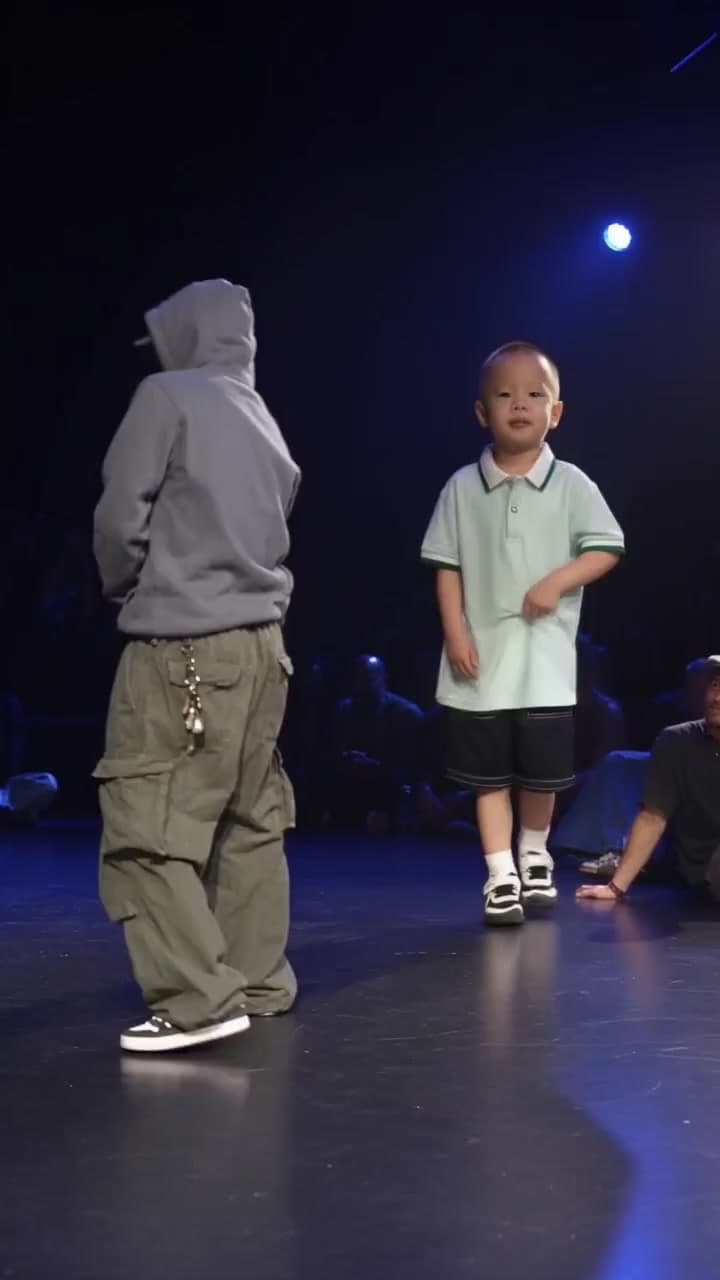
The Gang Gang Dance AI template turns one clear portrait into the lead dancer on the blue-lit stage shown in the preview. For a TikTok creator, it is a reusable confidence or transformation format: the account supplies a new “who I become when…” premise, while the recognisable stage provides continuity. It replaces the foreground performer, not every person in the frame; background people may remain. The template supplies the choreography and setting, so you do not need dance training or a dance video.
Is this the version I mean?
This guide refers to the blue-stage lead-dancer scene. The name can also point to a band, a song association or unrelated dance clips. Those sources should not be used as evidence about this template's identity mapping, soundtrack or origin.
What you need
- One single-subject portrait of the person who should lead the scene.
- Consent to make and publish a likeness edit.
- No dance pose, stage photo or choreography video.
One photo means one target identity. It does not mean the final frame will contain only one person, and it does not promise that every background face will be replaced.
How to make it
- Open the Gang Gang Dance template and compare its blue-stage preview with the scene you intend to make.
- Upload one clear portrait for the lead dancer. Avoid a group photo because it makes the target identity ambiguous.
- Start with the reviewed 10-second example in the supplied notes. That note lists 200 credits at 20 credits per second. Confirm the live duration and charge before generating; a longer option may be available without being a verified improvement.
- Watch the turn, low movement, rise and background motion at normal speed before posting.
The 10-second recommendation is based on a reviewed example. A fuller source choreography phrase can motivate a longer edit, but it is not proof that a longer generated result will be cleaner. Full generation requires sign-in and sufficient credits.
Turn it into a repeatable TikTok series
The account promise can be: “I show the version of myself that appears when an ordinary moment turns into a main-character moment.” Keep the blue stage and lead-dancer payoff; change the relatable trigger.
Three safe episode directions are:
- The confidence after a small win, such as finishing a task or receiving good news.
- A fictional alter ego for a hobby, game night or friend-group role.
- A community prompt where viewers suggest the next “when I…” scenario.
Place the trigger in the first line of on-screen text, keep the cover focused on the lead dancer and avoid promising that all people in the background will change. The caption should ask for the next scenario, not claim a particular song, original creator or guaranteed result.
Use each post as an operating brief
Decide the trigger, target portrait, cover frame, caption and one response question before generating. After posting, compare which triggers viewers repeat in comments and which simply receive passive reactions. Reuse the strongest trigger category with a new premise, rather than treating every generation as an unrelated trend.
What to check before publishing
Face consistency often changes during a turn. Check the start, the turn and the ending rather than judging a single still frame. Background movement can also vary. If the result is not recognisable, use a clearer portrait and review the live template guidance before another attempt.
When posting a realistic AI likeness, use the platform's AI-generated-content disclosure and confirm permission for the person in the photo. Do not attach an unverified song or creator attribution to the generated scene.
Frequently asked questions
Is this a group swap?
No. One portrait targets the lead dancer. Background people can remain and are not extra identity slots.
Do I need to learn or film the dance?
No. The template supplies the stage and movement reference.
Is 15 seconds verified as better?
No. The supplied article material reviewed a 10-second generated result. Treat any longer option as a choice to inspect, not a quality guarantee.
Is the name referring to a band?
Not on this page. The CTA points to the blue-stage video template and its current input rules.
Can an AI dance format help me build an account?
It can give an account a recognisable recurring format, but it cannot guarantee discovery or follows. Test whether viewers understand the premise, respond with their own scenarios and return for the next variation.
Start with the Gang Gang Dance template and check the live preview before you generate.
From your photo to a scene