Practical guide
How to make a Hit the Road Dude TikTok series
Use the gray-car driver role as a repeatable TikTok reaction format, with one portrait and a new harmless everyday premise for each post.
Built for a recurring account format
Creator format brief
Use this before generating so one post creates a clear next-post decision instead of another isolated clip.
- Viewer trigger
- A viewer recognises a harmless boundary or annoyance from daily life.
- Series promise
- Small fictional annoyances become a dramatic driver reaction, without accusing a real person.
- Opening line
- POV: someone [small, harmless annoyance].
- Cover rule
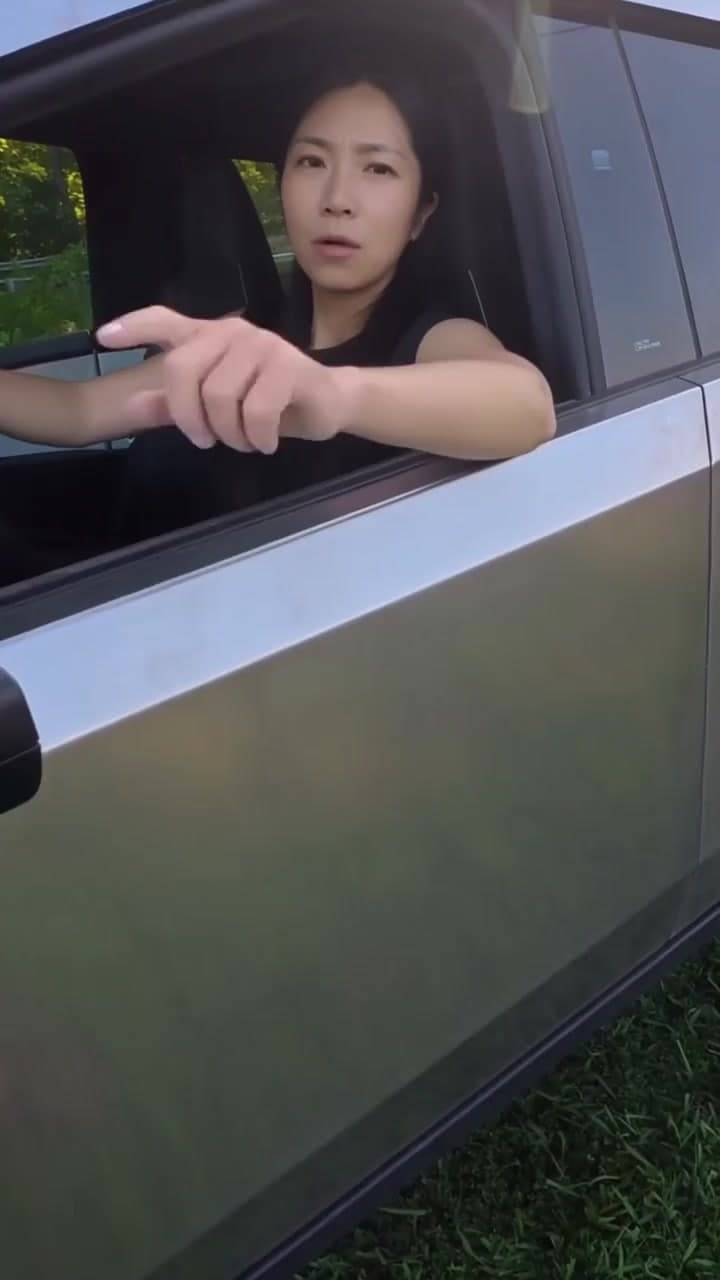
- Use the driver face and pointing gesture; keep the scenario in the cover text.
- Comment prompt
- What everyday rule should get the next reaction?
- Next episode
- Build a backlog from low-stakes scenarios suggested in comments.
In this guide
The Hit the Road Dude AI template puts one portrait in the driver role of the parked-vehicle private-property scene. For a TikTok creator, it works best as a recurring exaggerated-reaction format: use a new harmless everyday boundary or annoyance in each episode. It uses the gray-car remake shown in the preview, rather than the original white-pickup footage. Upload one clear portrait; the vehicle, setting and gesture come with the template, so you do not need a car photo or a source video.
Is this the version I mean?
Searchers often mix the gray-car remake with earlier “private property” or fishing confrontation clips. This page is for the gray vehicle and driver-at-the-window format. It does not establish an original uploader, and it should not be described as the first or official version of the meme.
What you need
- One clear portrait of the person who should become the driver.
- Permission to use that person's likeness.
- No vehicle image, road footage or second person photo.
The input slot targets the driver. A person who appears outside the car or off camera is part of the supplied scene, not a second replacement slot.
How to make it
- Open the Hit the Road Dude template and confirm that the gray-car preview matches the version you want.
- Upload one unobstructed portrait for the driver. Avoid a steering-wheel selfie if it hides the face.
- Start with the reviewed 10-second recommendation in the supplied notes. That note lists 200 credits at 20 credits per second; verify the live charge, duration and sign-in state before pressing Generate.
- Watch the full output for the face reveal, pointing gesture, dialogue timing and ending beat.
The checked duration is a scene-based recommendation, not a promise about retention or audio accuracy. The live template page controls the available duration and current credit total. Full generation requires sign-in and sufficient credits.
Turn it into a repeatable TikTok series
The useful account promise is not “I make private-property clips.” It is “I turn small, recognisable everyday boundaries into dramatic driver reactions.” That framing makes the format safer, broader and easier to refresh.
Build episodes around fictional, low-stakes situations:
- Someone uses a shared charger, snack or desk item without asking.
- A friend interrupts a routine at the worst possible moment.
- A familiar household or workplace rule, told as a clearly exaggerated parody.
Put the situation in the first text line, show the driver reaction quickly, then use the caption to ask viewers for the next low-stakes scenario. Use a cover with the driver face and pointing gesture. Do not frame a real person as trespassing, criminal or dangerous; the format should remain an invented reaction, not an allegation.
Use each post as an operating brief
Choose one audience situation, one opening line, one cover and one comment question before generating. After publishing, separate comments that quote the joke from comments that suggest the next scenario. The latter are your backlog. A recurring format becomes useful when each post produces a clear next idea, not when the same clip is repeated.
What to check before publishing
Check the mouth and audio at normal speed, then inspect the frame where the driver points. If the face is hard to recognise, use a brighter, single-subject portrait. Keep captions framed as parody or a fictional reaction so the generated likeness is not presented as a real accusation or threat.
Disclose realistic AI-generated likenesses according to the platform where you post. Likeness permission, rights to the reference footage and soundtrack rights are separate checks.
Frequently asked questions
Is this the original fishing video?
No. The template uses a later gray-car remake shown in its own preview. The supplied research did not independently confirm the first uploader of that remake.
Can I replace both people?
No second identity slot is promised here. One portrait targets the driver; the other people belong to the scene.
Do I need my own car photo?
No. The vehicle and environment come from the template.
Will the dialogue be word-perfect?
Do not assume that. Check the generated result at normal speed and caption only what the finished clip actually supports.
Can this be a long-term TikTok format?
It can be tested as one when the account consistently turns harmless, familiar situations into the same recognisable reaction structure. It does not guarantee traffic, and every post still needs a clear premise and responsible context.
Use the Hit the Road Dude template for the current upload labels, duration choices and displayed cost.
From your photo to a scene