Practical guide
Is Jean Phil AI? The Toc Toc Dance Trend Explained
From Patrick Sébastien's 2015 song to Jean Phil's AI crossover: where the Toc Toc dance came from, what's unproven and how the template works.
In this guide
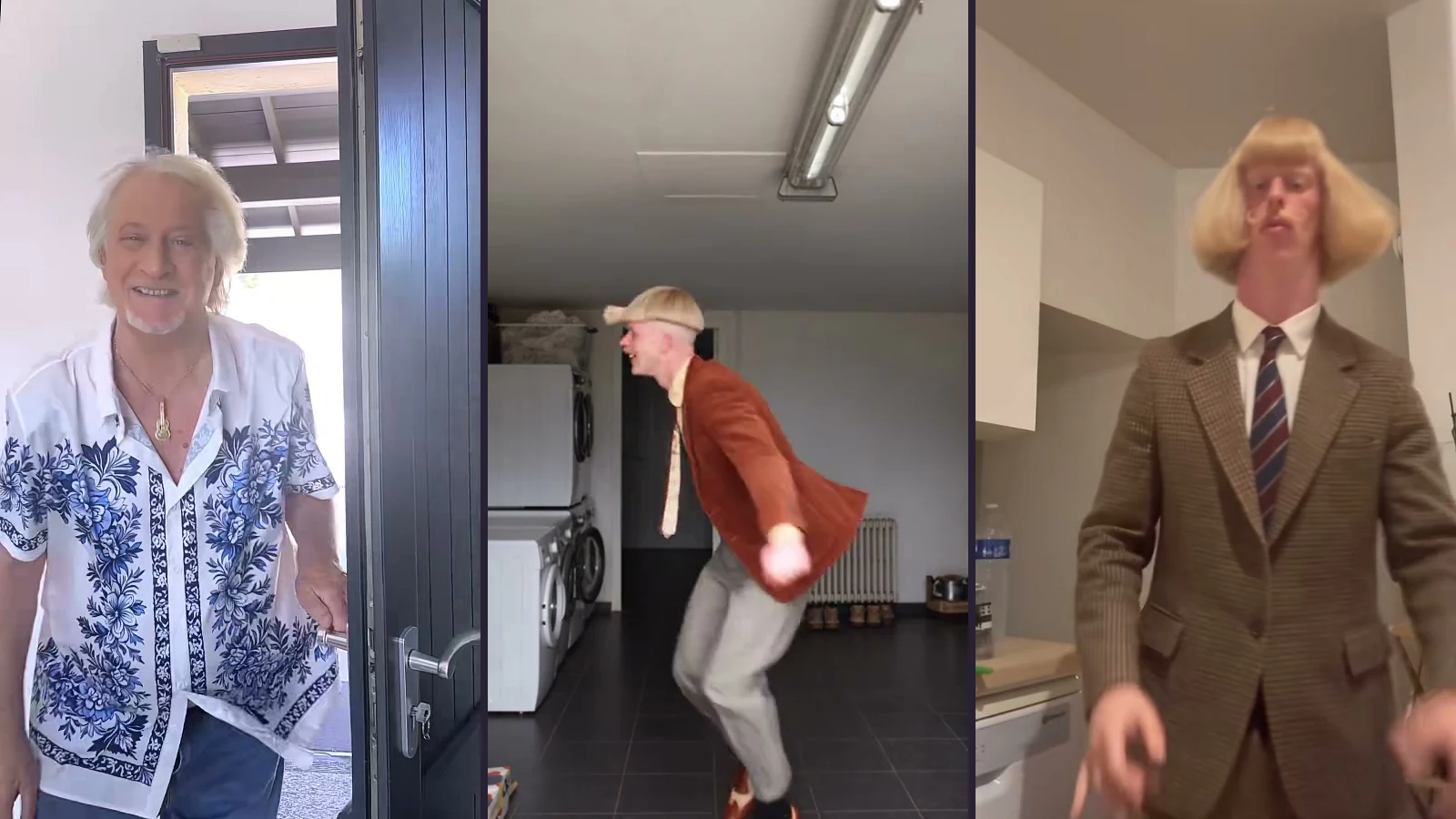
The Toc Toc dance did not begin with Jean Phil. It pairs Patrick Sébastien's 2015 song with a one-foot hop and an imaginary knock on a door. Jean Phil is a separate internet character whose look later crossed into dance remixes. VRT describes him as an AI-created character; his creator says the videos are not entirely AI-generated. That does not establish that the character is an unaltered real person.
A blond bob, a brown suit, a laundry room and an extremely committed knee lift: your feed may have delivered the whole mystery in ten seconds. To untangle it, follow three things separately — the song, the dance and the character who seems to have wandered into it.
First came the song: Toc Toc, also called Kicékéla
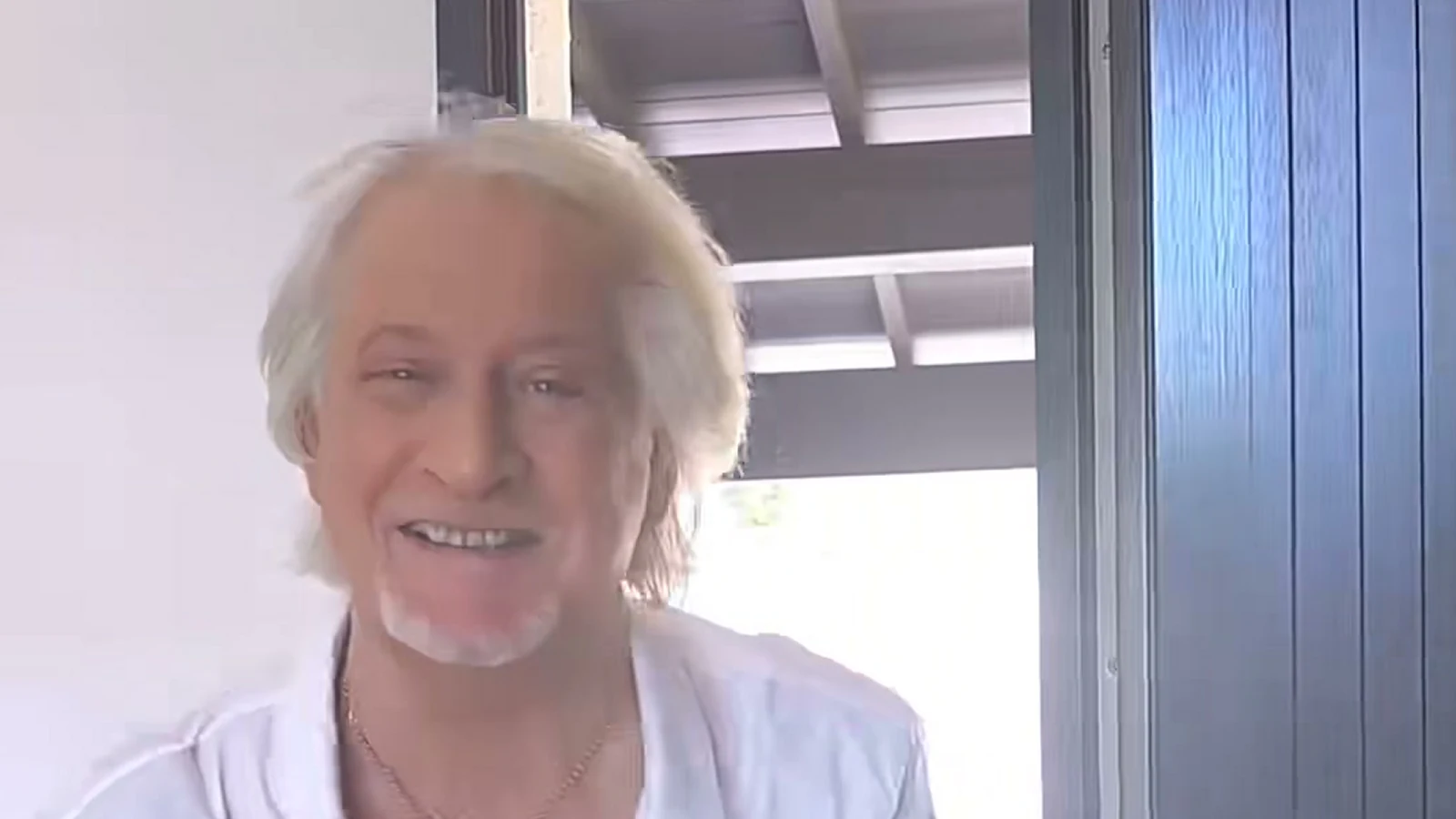
The Toc Toc dance song is “Toc Toc” by French entertainer Patrick Sébastien, released in 2015. In his September 2026 Sud Radio interview, Sébastien expressed surprise that a one-foot dance had sent the old track travelling internationally.
“Toc toc” means “knock knock”. The refrain asks who is at the door. As 20 Minutes reported, non-French-speaking fans adopted the nickname Kicékéla, echoing that question. These are two names associated with the same trend, rather than two different songs.
The joke hardly needs translation. Bounce to the beat, raise a knee, knock on an invisible door. You can miss every French word and still understand the assignment.
Who started the Toc Toc dance?
French reporting credits Nooah Prvv, known on TikTok as @noah_prvv_ or NLBZ, with the choreography. Both 20 Minutes and Sud Radio name him. The exact first post and date remain unconfirmed here; a press attribution is stronger than guessing from whichever repost happens to reach your feed first.
The format then travelled through ordinary dance covers, group performances and increasingly unlikely interpretations. On 24 September, 20 Minutes was already describing versions involving figure skaters, American dancers and a Polish priest. The French Gendarmerie's Toc Toc post used the knocking theme over an operations montage — a different joke from performing the full choreography.
That adaptability helps explain the appeal. One person can do it at home; a group can synchronise it; a remix can replace the dancer entirely. The imaginary door stays remarkably busy.
Then Jean Phil entered the picture
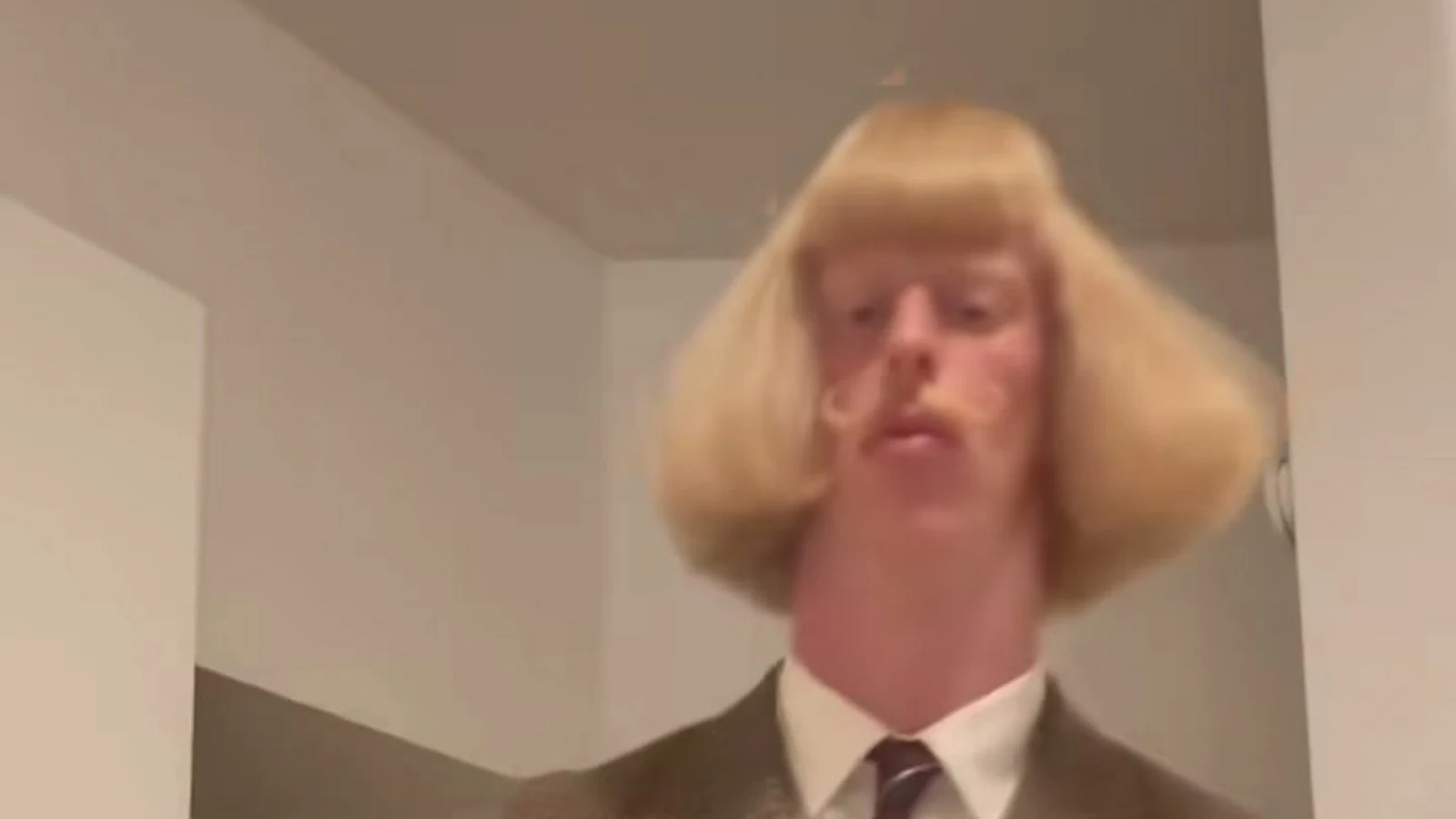
Jean Phil, or Jean Philanthrope, is the blond-bobbed, moustached character associated with @jean_philanthrope. He is not the reported originator of the Toc Toc choreography. His signature suit and exaggerated shadowboxing gave people a character they could recognise before reading a caption.
VRT's report describes an AI-created character and quotes the anonymous creator saying AI plays a role in the creative process, while the videos are not fully AI-generated. Human creative work and an AI character can coexist. “A human runs the account” does not mean “everything shown is an untouched human performance”.
That distinction gets lost when lookalikes and AI remixes circulate together. A clip featuring the haircut is not automatically a post by the original account, and the original account's process does not explain how every remix was made.
There is even a streamer clip framed as a live dance to prove he is not AI. “Please dance to verify your humanity” is an excellent internet punchline. An isolated repost is a poor forensic test.
What about the Toc Toc laundry-room video?
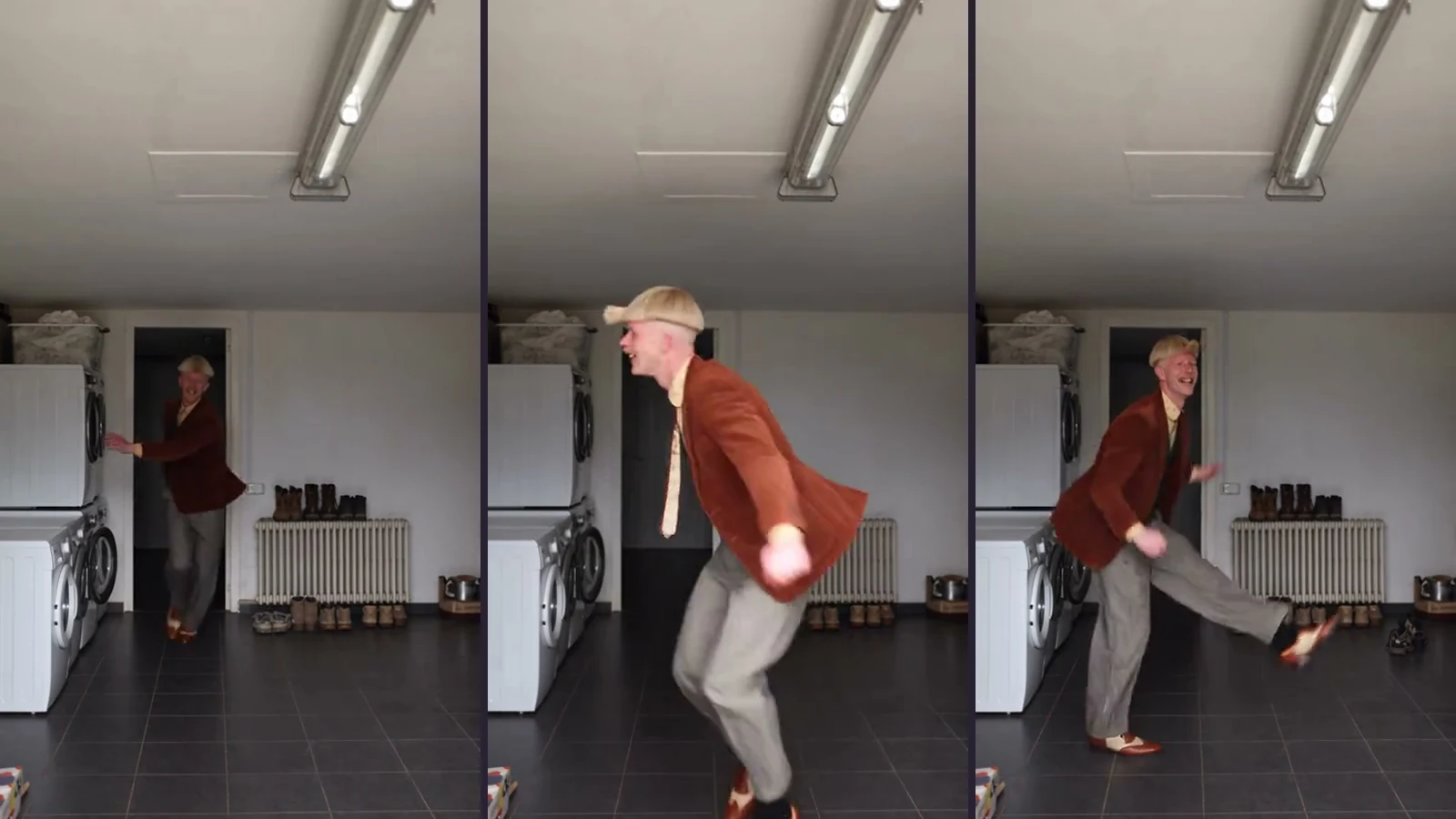
The @gastondelorme laundry-room clip brings the whole collision into one scene: a familiar-looking haircut, a jacket, washing machines and energetic footwork. It is easy to see why someone encountering it would search both “Jean Phil AI” and “Toc Toc dance”.
Whether that specific clip uses AI, a performer in costume or a combination is not established by the evidence available here. A missing AI label does not settle the question. Neither does a convincing frame grab. Enjoy the joke; keep the production-method claim separate.
This is also why a dance template should explain what it actually changes. The song's history, a character's identity and an AI tool's capabilities are three different stories.
How the Toc Toc Dance AI template works
Toc Toc Dance AI puts one adult and their photographed outfit into a prepared living-room dance scene. The supplied photo describes the dancer; the scene supplies the choreography, room and matching original soundtrack. You do not need to upload your own reference video.
The workflow uses Kling 3.0 Omni for a 10-second, 9:16 video at 720p, costing 200 site credits. This template does not include a free generation preview.
Upload one full-body photo of one adult. Keep the face, hair, complete outfit and shoes clearly visible, with enough space around the body. No second photo or reference video is required.
Use your own photo or a photo you have permission to use. A selfie cannot show the model what shoes or skirt you intended; choose a clear head-to-feet image instead.
The template requests a whole-person-and-outfit replacement, rather than a face pasted onto the original clothes. The original scene audio is restored; this does not clone your voice or invent new lyrics. See Pricing for credit options.
What the example gets right — and what to watch
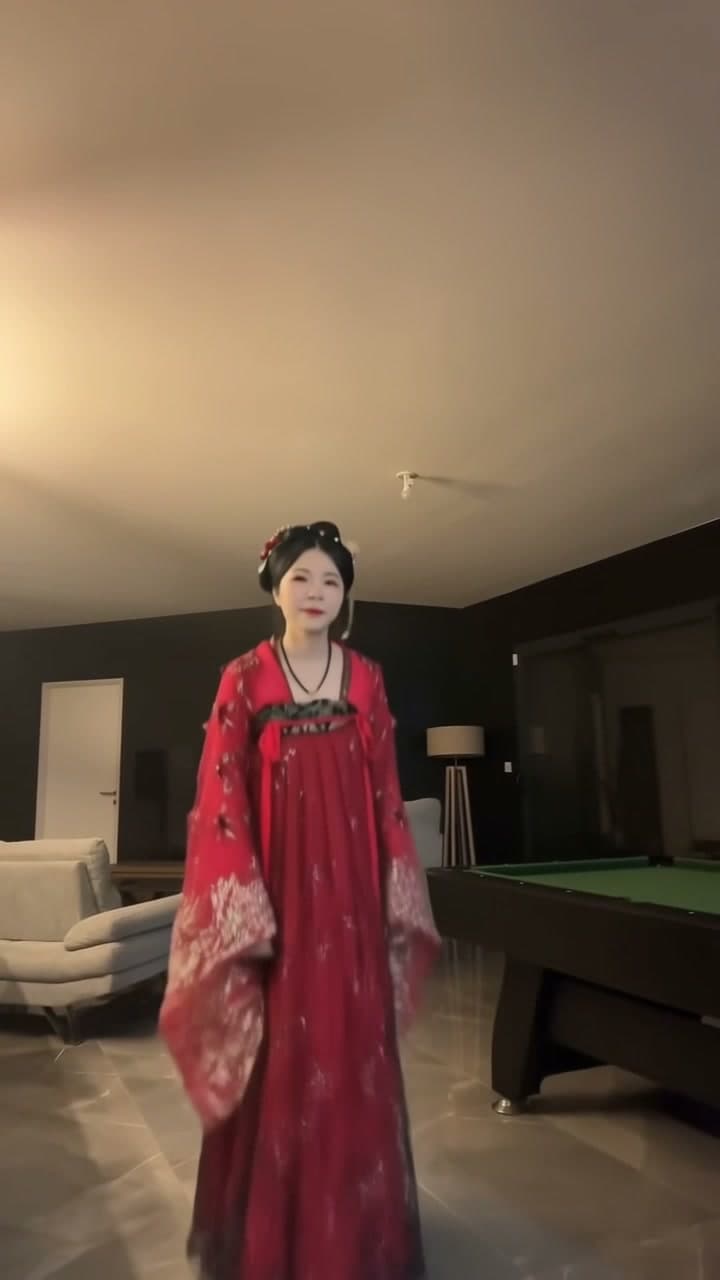
The public red-Hanfu example was generated with an earlier two-photo setup. The current upload flow uses one full-body photo, so this example is not a verified demonstration of the current one-photo result.
The example keeps the living-room setting and two turns, but some hops become smaller steps. Embroidery simplifies, and the skirt briefly changes shape and opens near eight seconds. Exact likeness, clothing detail and every dance step are not guaranteed.
For this particular joke, leg movement matters more than elaborate styling. Try a clearly visible outfit with an unobstructed lower body. Long skirts and wide sleeves can hide the knee lifts that make the dance recognisable. Review the example before spending credits.
After submission is accepted, follow the job in My videos using the same account; the page can be closed while processing continues. Successful outputs are available for seven days, so download a result you want to keep.
Give the dance a joke of your own
The strongest variation changes the reason for the dance. “Me after finally cancelling the subscription” gives the familiar moves a new punchline. A different outfit alone does less storytelling.
Try this repeatable creator brief:
- Viewer trigger: a tiny everyday victory that deserves an absurdly large celebration.
- Series promise: the same Toc Toc scene, a different small win each time.
- Opening line: “Me after [one very minor achievement].”
- Cover rule: choose a clear knee-lift frame and add one short caption; keep the face and joke readable.
- Comment prompt: “What tiny win deserves this entrance?”
- Next episode: use one audience suggestion as the next caption premise.
Keep the generated video vertical for social feeds; the landscape images in this guide are editorial crops and multi-frame layouts. When sharing, identify your result as an AI remix. You can review the Toc Toc Dance AI example and photo requirements before choosing your own look. Your caption supplies the new joke; the dance brings the knock knock.
Frequently asked questions
Is Jean Phil AI or a real person?
VRT calls Jean Phil an AI-created character. The anonymous creator says AI is involved but the videos are not fully AI-generated. That statement does not prove the on-screen character is an unaltered real person, nor explain every fan edit.
What is the Toc Toc dance song?
It is “Toc Toc” by Patrick Sébastien, released in 2015. “Kicékéla” is a nickname associated with the French “who is there?” refrain.
Did Jean Phil invent the dance?
French reporting credits Nooah Prvv (@noah_prvv_ / NLBZ). Jean Phil is a separate character who appears in later dance remixes. The exact first choreography post remains unconfirmed here.
Is the laundry-room Toc Toc clip AI?
Its production method has not been reliably established here. The absence of an AI label is not evidence that a clip is unedited or wholly real.
Do I need one photo or two for this template?
One full-body photo of one adult, with the face, hair, complete outfit and shoes visible. The public example used an earlier two-photo setup; current results may differ.
Does this template include music?
It restores the matching original scene audio. You do not need to add a replacement soundtrack to obtain that audio; it does not clone your voice. Check the sharing platform's music rules before posting.
Sources and reference clips
- 20 Minutes: the Toc Toc dance, Nooah Prvv and Kicékéla, 24 September 2026.
- Sud Radio: Patrick Sébastien on his 2015 song and the dance trend, 29 September 2026.
- VRT NWS: Jean Philanthrope and the creator's account of AI use, published 10 October 2026.
- Jean Philanthrope: shadowboxing reference; Patrick Sébastien's own Toc Toc response; Gaston Delorme's laundry-room reference.
News pages checked on 20 October 2026. Linked social clips identify the references discussed; they do not independently establish a clip's production method.
From your photo to a scene